The book we can’t talk about

I’ve worked in the field of mental health for a long time. Or at least it feels like a long time. In reality, it’s been 13 years since I first started and ten years since I got my first independent clinical license. Through the years I’ve had at least 20 jobs (conservative guess). Some good, some not so good, and some that were off the chain. However, the job that was probably the wildest was working in the admissions department at a psychiatric hospital (technically a behavioral health hospital). It was my first job out of grad school and I wanted to do a good job. I was adjusting to what it was like to provide assistance to people who fit the diagnostic criteria for a mental health. Not just those who saw a video on social media and decided that they needed a cool new label.

eeded a cool new label.

The great thing about working in admissions (also known as intake) was that there was always something going on. People came in for mental health assessments and were also transferred to our hospital from some of the other hospitals in the state for mental health stabilization. We accepted adults and children as young as five. The nice thing was that the hospital never closed so there were constant opportunities to work. The tough thing was that the hospital never closed so things could get busy without any advanced warning. Kinda like a hospital emergency room. It was a job where you had to answer the phone, call insurance companies, admit patients, conduct assessments, and answer the emergency calls from the units.

Other than a discount on the cafeteria food, the job didn’t come with a lot of perks. One of the occasional downsides was getting physically assaulted by patients experiencing a mental health crisis or psychotic episode. When we would accept patients from other hospitals one of my tasks was to read the paperwork and determine if the individual was appropriate for an inpatient level of care. It usually didn’t take a long time to make a decision but the assessments were always eye opening to read. While we could never share the details of said assessments due to privacy, we created a scrapbook called “The Book that Doesn’t Exist.” In the book we would write down or share excerpts of the assessments we received that crossed the line on normal human behaviors and take out the identifiable details. 

One notable story that comes to mind was that of a poor soul who was having a rough time. He was struggling and made the decision that he wanted to experience the afterlife — or whatever came afterwards. However, he didn’t have the means or access to anything that would make his heart stop beating. So, this individual went into the woods of a state park known for black bears and covered himself from head to toe in deli meat in the hopes that a bear would see him as a source for food and his sacrifice would not be in vain. However, the implementation of his plan failed as no animals ventured near him as he sat in the woods covered in bologna. He was found by fellow hikers who became concerned and alerted local authorities who determined he was in need of mental health stabilization.

Stories like this were the ones that made it into the book. It was a reminder that the work we did was important and that everyone has a bad day sometimes. I don’t know if something like this exists in other hospitals but I am appreciative of those who still work in these settings providing care and intervening in times where someone just needs a reset and support. We don’t thank them enough. After all, who else has stories they can’t tell in a book that they can’t talk about?
CHECK OUT THIS SCRAPBOOK TO START YOUR OWN MEMORIES

You should watch Black Cake

There’s nothing like a good series and Black Cake definitely fit the bill. I had heard good things about the show but I decided to wait until the hype and spoilers went down a bit. I was hooked from the first episode. First off, I didn’t read the book so I didn’t have any reference point for the plot. I came to it completely unaware of what exactly to expect and I was in for a treat. I won’t share too much, but if you don’t want any spoilers, this may not be the right place for you.

It’s rare to see shows that follow a person through their entire life. However, the show begins at the end of a woman’s life and then goes backwards. But it all begins with a secret that begins to take a life of its own as the series continues. It’s a story of resiliency and also regret because hindsight is 20/20. We follow a young girl through a series of unfortunate events and relocation to another country. She has to create a new life and eventually reconnects to a part of her past that integrates with her new identity. 

One underlying theme in the series is the importance of family and also friends who become family. Eleanor’s children are quickly thrust into the reality of the fact that their mother is different from who they’ve known her to be. They hear in her own words the story of her past as they deal with complicated grief and the arrival of a relative they didn’t know existed. The theme of the show is that secrets can do more harm than good. Shielding someone from the truth is only beneficial in specific situations.

The show was unpredictable and it held my attention. The storyline was unique and I thought the acting was good. The best thing about the series as a whole was that there was a happy ending. It’s one of those things that you don’t know you need until you have it. The series finale was satisfying and provided some closure to the questions that emerged in previous episodes. So, if you’re looking for a fulfilling one season show with a nice ending, check out Black Cake.

CHECK OUT THE BOOK

Cultish Behavior

Religion is one of those things that you aren’t supposed to mention in small talk. You don’t ask someone about their religious affiliation after you’ve introduced yourself because it is a hot topic. In the last few years the gap between myself and religious affiliation has widened significantly. A few weeks ago I had the opportunity to speak at an international conference the focused on cultic organizations. Very interesting stuff. As one of the few people of color in attendance, I shared a bit of my personal experience with a branch of a religion that had a leader who dictated what to wear, what to eat, and where to go and expected to be obeyed. While the peacefulness of country living was present, it was overshadowed by oppressive rules that kept the leader in charge. During the duration of the conference I had the chance to attend seminars and meet other attendees who had once been in cults but left at some point. Many were born into various organizations that their parents had joined years ago. After the conference I wanted to read more about the experiences of individuals who had become caught up in cults and religiously abusive organizations. After meeting a few of the contributor’s at the conference, I read a book called Whispering in the Daylight and the author wrote about the cult led by Tony Alamo. It was fascinating and bone numbingly sad at the same time. One thing that was particularly sad was the fact that parents surrendered their children to be beat mercilessly and starved. They also allowed their girls as young as age 9 to be the “brides” of the leader. All in the name of religion and doing what they felt to be right. The question that always seems to be asked is how do people end up in these type of situations? The truth is that people tend to want a sense of purpose. Having a charismatic leader who seems to have found the meaning of life or claims to have some exclusive relationship to a deity can appear to be a good thing.  It’s fairly easy to forsake all when one believes that not doing so would lead to eternal condemnation. By the same token, believing that your actions can earn you eternal bliss is an attractive idea. I think that it’s even different for children who grow up in that type of environment and have never known anything different. Reading the book about some of their experiences and how hard it has been and continues to be to adjust to “regular” life was eye opening. One thing that I believe is important to remember is that wanting to believe in something or someone isn’t a bad thing in and of itself. But it can become problematic when one consciously decides to yield their free will without reservation to another individual. It’s a strange dynamic that I find intriguing.

The Fault in Our Stars

It’s not every day that I have the chance to do anything resembling leisure reading. However, I recently took an opportunity to do so and read The Fault in Our Stars by John Green. I heard good things about the movie but I wanted to make it a point to read the book before seeing the movie. First off, if you aren’t comfortable with an open discussion about death and dying, this book may not be your favorite. Without giving a lot away, the book follows two young adolescents as they come of age with the additional challenge of battling terminal illnesses. It explores their thoughts and experiences as they both read a book and travel to meet the author. The book was definitely more emotional than I expected but this was because I wasn’t really familiar with it. It’s a book that will have you thinking about life and also evaluating your close relationships. Green makes the characters extremely relatable and you can feel the emotion through the pages. I had to read the book with a box of tissues handy because I pretty much cried through the last half. However eliciting emotion from the reader is one of the marks of a good author in my opinion and Green certainly accomplishes that. The book is well written and clear. It speaks to the fact that maturity isn’t always age related–sometimes it occurs by experiences. The Fault in Our Stars was a really good book that challenges readers to enjoy and make the most of the hands they are dealt. To live their life with no regrets and treasure those who love and support them. I think that’s a great message.

Lost and Found

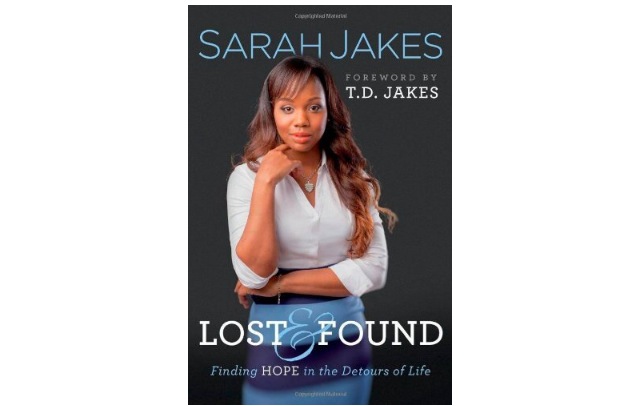
Lost and Found

i rarely read a book that I think would be interesting to a lot of people. Reading autobiographies has always been a favorite of mine since childhood. This book is definitely geared toward a faith-based audience but it’s also a great read for anyone who has ever struggled with meeting the expectations of others or has overcome adversity. Sarah describes a life of living under a microscope as a child of a well known individual. She describes how an unplanned pregnancy at a young age and an abusive marriage helped shape her into the person she is today. There are countless people we run into on a daily basis whose lives we have no clue about. Lost and Found describes a coming of age experience in which Sarah tells her story of facing challenges and how she found her way.

Black History and Buck

First off, I need to keep this post brief. Procrastination is a silent killer. Enough said.  One of the things that I like to do in the month of February is to go to an event for Black History Month. Definitely easier said than done. At least out here where I live. Finding quality events that fit my schedule but also are interesting and don’t waste my time is something that I try to do. Last year, I went to a spoken word event and it was pretty decent. The best part was that it was only ten minutes away from my house. But I digress. While by no means am I someone who is qualified to give “the black perspective,” as I was often called upon in graduate school to do, I do think that there are certain challenges that come with being black in America. I’m going to make a quick detour and say that I really strongly dislike the term “African American.” It’s annoying. And quite frankly, I’m not from Africa and neither are my parents, grandparents, and great-grandparents. I have some theories about how this term is used as a social construct but that’s totally not the topic at hand. There are certain rare occasions where I get the opportunity to listen to a speaker that is genuine, engaging, young, ambitious, articulate, and has exceptional communication skills. MK Asante is one of those people. He’s one of the best speakers I’ve heard because he has the ability to paint exquisite skillful pictures with words. And he does it in a way that has the right combination of his education and life experiences that give him the ability to relate to his audience. The fact that he became a college professor at age 23 and is now tenured is amazing.  Needless to say, it was great listening to him today. I bought his book, “Buck” and read it cover to cover in about two hours. I’m not easily impressed with books but after reading it I can honestly say that it’s one of the best memoirs that I’ve read. An honest depiction of the good, bad and ugly with moments of vulnerability and raw emotion is what makes this book so good. This book draws you in and keeps your attention because Asante walks you through his life in such a way that makes you feel as if you’re not only a silent observer, but that you have an invested interest in his success. Definitely a great read that was made even better by hearing the writer before I read the book.